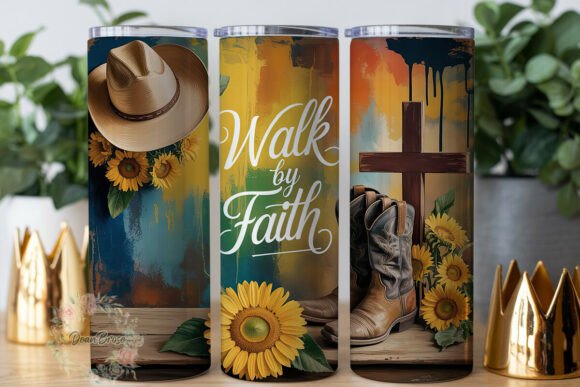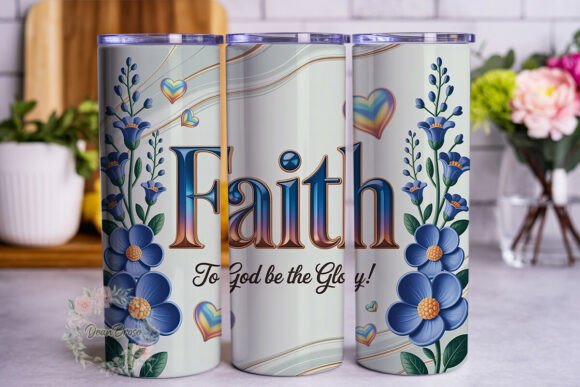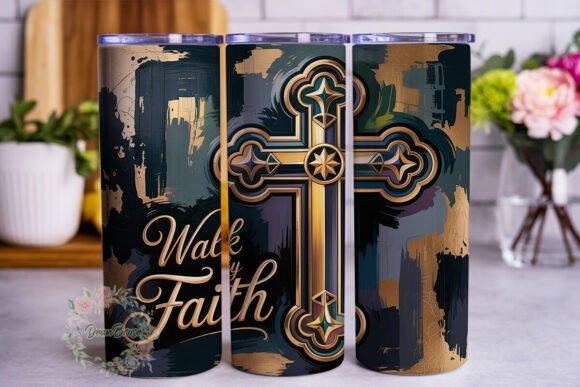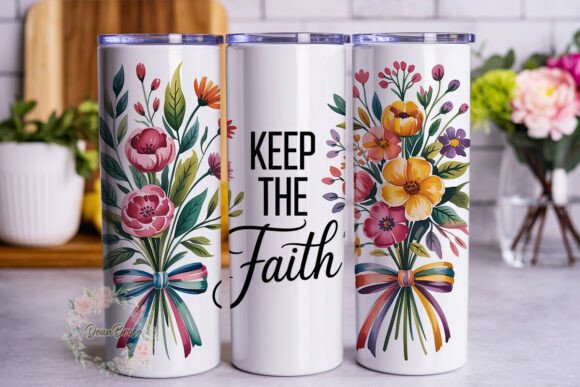
Southern Faith Cowhide Leopard Tumbler Review
As an embroidery designer with years of experience in custom apparel, gift items, and digital product sales, I always look for machine embroidery designs that bring personality without compromising stitchability. The Southern Faith Cowhide Leopard Tumbler is one such design that caught my attention—not just for its visual flair but also for how it translates into real-world stitching projects.
First Impressions: A Bold Statement with Subtle Details
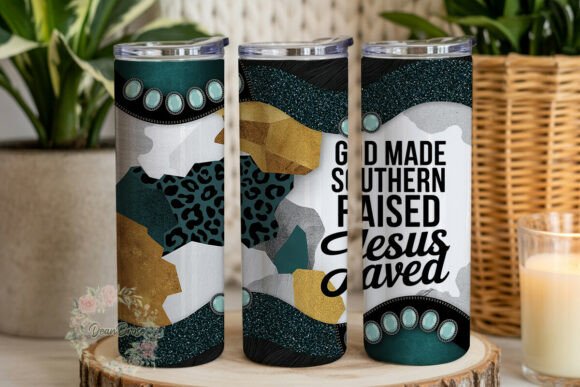
The moment I opened the high-resolution PNG files included in this graphics package—specifically for Straight and Tapered Tumblers—I could tell this was a design built for impact. The leopard pattern is striking, with realistic textures and a strong sense of movement. It’s not your typical generic animal print; the cowhide effect adds depth and a wild yet refined edge to the overall aesthetic.
What stands out immediately is the balance between detail and simplicity. While the pattern feels rich and layered, the lines are clean enough to be translated well through embroidery stitches. This makes it versatile for both casual and more polished handmade products.
Mood and Visual Personality
This design evokes a sense of rustic elegance. It fits perfectly into themes like southern charm, boho-chic, or even modern farmhouse. The leopard motif brings a touch of wildness, while the cowhide texture keeps it grounded and natural. It's the kind of design that can elevate a basic tumbler wrap into something that feels exclusive and artisanal.
I see this working especially well on tote bags, aprons, and sweatshirts where the texture of the fabric complements the embossed feel of the design. For baby clothes or holiday gifts, though, it might need some toning down depending on the target audience. But for most adult-oriented handmade products, it’s a solid choice.
Real-Life Stitching Performance
Embroidery isn’t just about looking good on screen—it has to hold up when stitched. Let’s break down how the Southern Faith Cowhide Leopard Tumbler performs across different applications:
- Custom Apparel: On a sweatshirt or hoodie, this design works beautifully as a front-center graphic. Its bold nature makes it eye-catching, and the contrast between thread colors helps define the edges clearly. Just ensure the stitch density is adjusted for knit fabrics to avoid puckering.
- Tote Bag Embroidery: When used on cotton or canvas tote bags, the design retains its sharpness and definition. I recommend using a medium-weight stabilizer to prevent distortion during the satin stitch portions. The result? A professional-looking tote with a unique character.
- Baby Items: Though the design is bold, it could be adapted for baby applique by simplifying the pattern and using softer pastel thread colors. However, be cautious with small details and consider resizing slightly for safety and comfort.
- Patches & Decorative Accents: As an embroidered patch, this design adds a statement piece to denim jackets, backpacks, or even leather accessories. The clear outlines and moderate fill areas make it manageable for hoop sizes around 6” to 8”, depending on the layout you choose.
- Kitchen Towels & Tea Towels: For linen or cotton kitchen towels, the design looks great with a little tweaking to stitch types. Using running stitch instead of dense fill in certain areas can help maintain breathability and durability after frequent washing.
- Holiday & Wedding Gifts: Think of personalized tumblers or aprons for a fall-themed wedding or a Christmas market. The leopard pattern gives a festive yet sophisticated vibe. Just pair it with complementary text or monograms for a cohesive look.
- Commercial Embroidery Projects: If you're an Etsy seller or craft business owner, this design can add value to your product line. It's scalable and adaptable enough to work on multiple items within a collection, helping you maintain brand consistency across your shop.
Where to Use with Caution
While the Southern Faith Cowhide Leopard Tumbler is impressive, there are situations where extra care is needed to preserve the quality of the finished product:
- Small Hoop Sizes: If you plan to use this on smaller items like patches or caps, make sure to check if the design allows for trimming or repositioning to fit within your hoop size. Otherwise, you may lose key elements of the pattern.
- Textured Fabrics: Textured materials like twill or corduroy can challenge the fine details of this design. You may need to adjust stitch types or increase tension slightly for better clarity.
- Thin or Stretchy Fabrics: Delicate knits or lightweight cottons may not support the heavier satin stitch sections. Opt for lighter-weight thread or reduce stitch density in these cases.
- Dark Fabric Backgrounds: The default thread color choices might not stand out well on dark bases. Always test on a scrap before committing to a full project.
- Products That Need Frequent Washing: Dense stitch areas may shrink or pucker over time. Consider using a washable stabilizer and avoiding overly tight stitch settings for long-term usability.
Stitch Clarity and Thread Color Contrast
One thing I appreciate is the thoughtful placement of thread color changes. The design uses a limited palette effectively to differentiate the fur-like texture from the base pattern. However, when working with light-colored threads on white fabric, subtle gradients might not show up as intended. In such cases, switching to black or brown thread for the detailing can enhance visibility and give the design more dimension.
Design Impact on Product Value and Customer Engagement
From a practical standpoint, this design adds immediate visual appeal. Customers can tell it's been professionally stitched, which boosts handmade product value and customer trust. For boutique branding or Etsy sellers, having a consistent visual identity is crucial, and this design contributes to that by offering a recognizable motif that aligns with nature-inspired aesthetics.
When used on a custom sweatshirt or tote bag, the Southern Faith Cowhide Leopard Tumbler becomes a conversation starter. It's detailed enough to stand out but not so intricate that it feels overwhelming. Buyers engage with it because it tells a story—of adventure, style, or a love for animals. That emotional connection increases the likelihood of a sale, especially in niche markets like western wear or home décor.
Designer Notes and Best Practices
Before jumping into production, here are a few things I’d recommend testing:
- Use a printable mockup to visualize how the design will look on actual products. The 9.3" x 8.2" dimensions provided work well for large-format wraps or panels.
- Confirm the hoop size required for your specific embroidery machine. Since no exact numbers are given, err on the side of caution and double-check the file specs.
- Test the design on a scrap fabric similar to what you'll use for the final product. Pay special attention to corners and curved areas—these are common trouble spots.
- Inspect the stitch density and adjust as necessary for your fabric type. Too tight, and it risks warping; too loose, and the design loses its crisp look.
- If you’re planning to sell finished products or digital embroidery files, make sure to confirm licensing terms. Without clear info, it’s best to reach out to the creator before proceeding.
Adaptability and Brand Consistency
What I find most valuable about this design is its adaptability. Whether you're creating a sweatshirt embroidery piece for a client or designing small shop products for resale, you can tweak the layout to match your brand’s tone. Want a minimalist version? Trim the outer edges. Prefer a bolder look? Add a border or contrasting thread.
Its consistent visual language means it can easily be part of a larger collection. Pair it with other nature-themed embroidery designs, and you’ll have a cohesive set of design assets that speak to a shared theme. This is particularly useful for seasonal collections, like fall or winter items, where a touch of wild beauty can really shine.
Final Thoughts for Creative Entrepreneurs
For those of us who create personalized gifts or handmade products, the Southern Faith Cowhide Leopard Tumbler is a welcome addition to our design libraries. It brings a level of sophistication that sets your work apart in a crowded marketplace. But remember, every design needs to be tested in context.
So whether you're an embroidery designer, a craft fair vendor, or someone building a commercial embroidery line, take the time to understand how this design behaves on your preferred materials. With the right adjustments, it can become a staple in your creative arsenal.
And always, always check the licensing—if you’re selling digital embroidery files or finished goods, it’s essential to know what you can and cannot do legally. This ensures your product presentation remains both beautiful and compliant.
In summary, the Southern Faith Cowhide Leopard Tumbler is a strong contender for a variety of embroidery projects. It brings a unique blend of artistry and functionality, making it suitable for both personal creativity and commercial ventures. Just apply the usual designer checks—test, adjust, repeat—and you’ll get the best results from this versatile embroidery file.