Saved by Grace Christian SVG Review for Real Embroidery Projects
First Impressions: A Spiritual and Peaceful Design
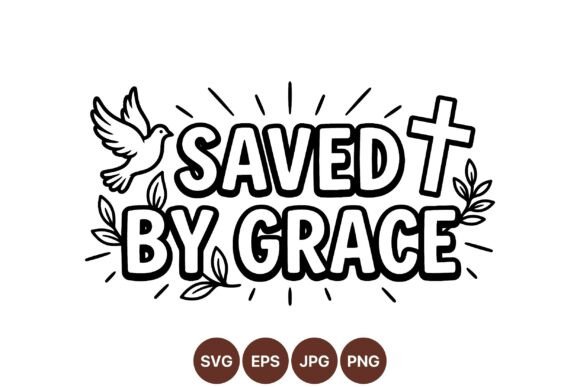
When I first opened the Saved by Grace Christian SVG, I was immediately struck by its clean, elegant composition. As a designer who often works with spiritual themes, this illustration feels both intentional and timeless. The black and white line art is soft yet precise, with a flying dove gracefully circling the phrase "saved by grace," flanked by a cross and leafy branches. It conveys a sense of peace, hope, and quiet reverence—perfect for those looking to add meaningful design assets to handmade or commercial products.Real-Life Use Case: Embroidering a Tote Bag
Let me walk through how I’d use the Saved by Grace Christian SVG in a real project. Imagine creating a custom tote bag for an Etsy listing focused on faith-based gifts. The design needs to be legible, visually appealing, and suitable for multiple fabric types.Where This Design Shines
The Saved by Grace Christian SVG works particularly well for:- Custom apparel like sweatshirts or t-shirts where a gentle message complements minimalist style.
- Tote bag designs aimed at boutique shoppers or church events, where the design adds value without overwhelming the fabric.
- Embroidered patches for jackets, backpacks, or denim—especially if you’re using a running stitch or open back technique.
- Holiday gifts such as pillows or tea towels, where the peaceful imagery fits seasonal or spiritual themes.
- Printable mockups for digital product sellers showcasing their craft business items or small shop products.
Design Considerations for Practical Use
While the Saved by Grace Christian SVG has strong appeal, there are a few practical considerations to keep in mind before finalizing your project:Small hoop sizes: The dove and cross require some breathing room. If you're working within tight constraints, consider scaling down only the outer elements and keeping the main text larger for readability.
Textured fabrics: This design relies on smooth surfaces to highlight its delicate lines. Textured materials like linen or canvas may soften the look, which could either be a benefit or a drawback depending on the desired outcome.
Stretchy or thin fabric: Stretch can distort the layout, especially around the curves of the dove and branches. Thin materials may also struggle with fill stitches if the design is scaled up too much. In both cases, proper stabilizer is key.
Dark fabric backgrounds: Because the design is in black and white, placing it on a dark background will require a different approach—perhaps using white thread or adding subtle color accents for visibility.
Curved surfaces (e.g., caps): The layout is linear, so adapting it to curved areas like hats or caps will need careful placement and possibly breaking the design into sections.
Detailed corners and dense stitch areas: There are a few intricate parts in the branches and dove. These should be tested separately to ensure they don’t snag or cause tension issues during stitching.
Designer Tips for Getting the Most Out of This File
Here are some practical steps I take when incorporating this type of machine embroidery design into my workflow:- Test on scrap fabric first: Always run a trial stitch before committing to the final piece. This helps identify any potential issues with stitch flow or detail loss.
- Check thread color contrast: Even though the design is monochrome, thread selection can dramatically affect the final look. Test with a few color options if you want more depth or dimension.
- Review stitch density: Adjust the settings for fill or running stitch areas depending on the fabric. Too dense, and it risks puckering; too loose, and the design loses clarity.
- Confirm hoop size requirements: Make sure your hoop can accommodate the full size of the design without stretching or distorting the image.
- Inspect small details: Zoom in on the dove and branches to see how they’ll translate into embroidery. These can be delicate and may require special handling.
- Use proper stabilizer: Especially important for stretchy or thin fabrics. A tear-away or cut-away stabilizer can prevent distortion and improve stitch quality.
- Test in black and white mockups: Before printing or embroidering, visualize the design on different fabric tones to ensure it meets your aesthetic goals.
- Compare light and dark backgrounds: The way the design appears can change drastically depending on the fabric color. This is crucial for craft fair products or small shop merchandise.
- Check whether it works for both personal and commercial projects: The file seems versatile enough, but always verify the licensing terms if you plan to sell finished items or include it in digital product previews.